Ruth Davis: nature, trade and partnership – reflections from China
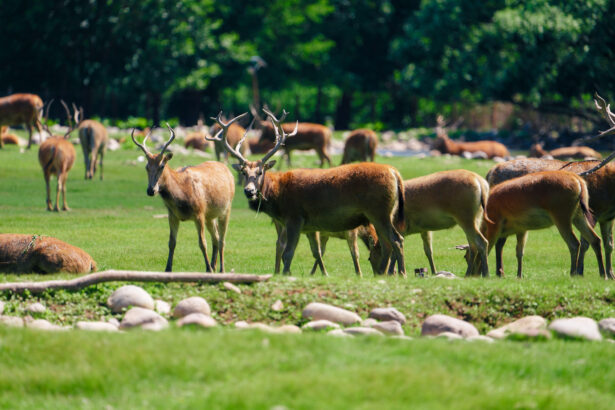
Ruth Davis shares her reflections from her recent visit to China with the Defra Secretary of State, Emma Reynolds. Read this post to find out more.
Ruth Davis shares her reflections from her recent visit to China with the Defra Secretary of State, Emma Reynolds. Read this post to find out more.
The Nature Restoration Fund (NRF) is a landmark reform to the way housing and infrastructure developers meet their environmental responsibilities. Yesterday, 18 June 2026, two sets of secondary legislation were laid before Parliament. This is an important step towards putting the fund into practice, …
Rivers are at the heart of many of our towns, cities and countryside landscapes. They shape the places we live, support wildlife, and offer people somewhere to walk, wheel, cycle, volunteer, spend time with family, and connect with nature close to home. …
I'm Will Lockhart, Deputy Director for Nature Markets and Investment at Defra. In March, I wrote about how we're encouraging more private investment in nature recovery in England – including making it easier for businesses to pay for the benefits nature provides, and launching new, world-leading nature investment …
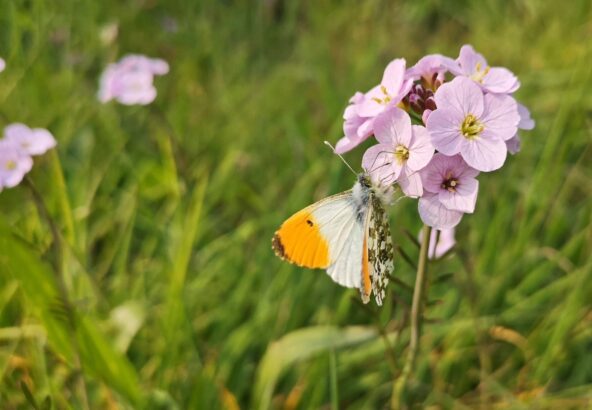
The new Wildlife-Rich Habitat Fund (WRHF) is now live. It’s a new pot of money - £30 million - to create wildlife-rich habitats in National Parks and National Landscapes in England. Read this guest post by Chair of the Protected Landscapes Partnership Mary-Ann Ochota to find out more.
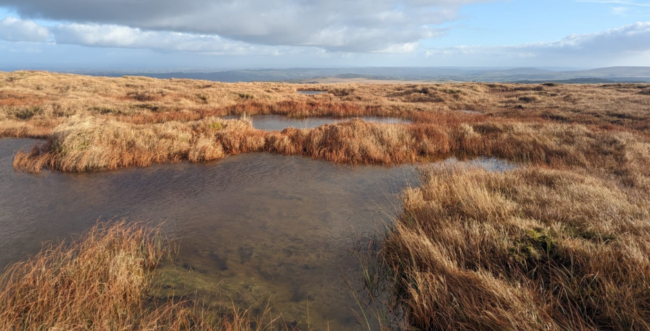
Peatlands have a vital role to play in helping us meet our net zero targets, but to restore them at the scale we need, we first need to grow the sector that does that work. That's what today's announcement is designed to do.
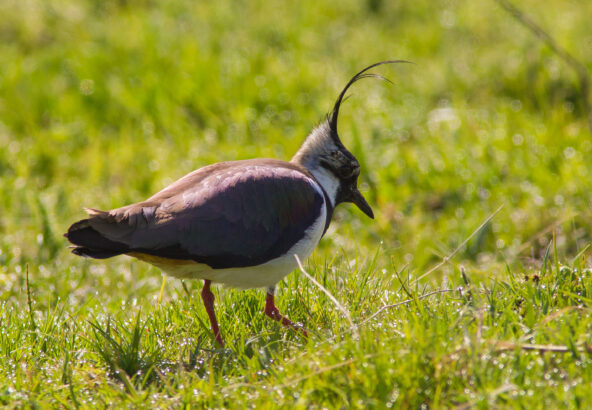
The Government has set statutory targets to halt the decline in species abundance by 2030 and to reduce species extinction risk by 2042 against 2022 levels, as set out in the Environmental Improvement Plan. That’s why the Government has made a record investment in nature. In this post, we’ll talk you through the recent news and campaign for species recovery.
Nature markets matter. When they are designed well, with high environmental standards at their centre, they drive real and lasting environmental change underpinned by financial returns that lock in that change for generations to come. This is where the Nature Investment Standards come in.
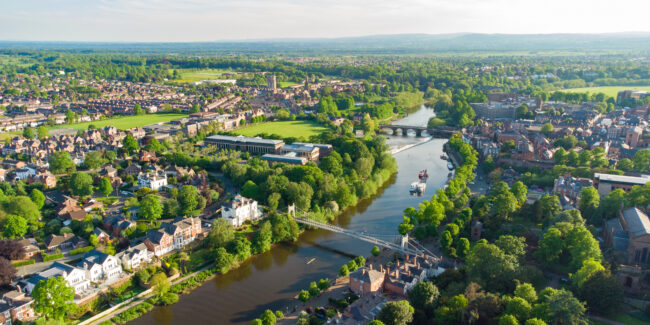
In March 2026, we published the new Access to green and blue space in England Official Statistics in Development. These show that 80% of households in England have access to at least one green or blue space within a 15-minute walk. Read this post to find out more.
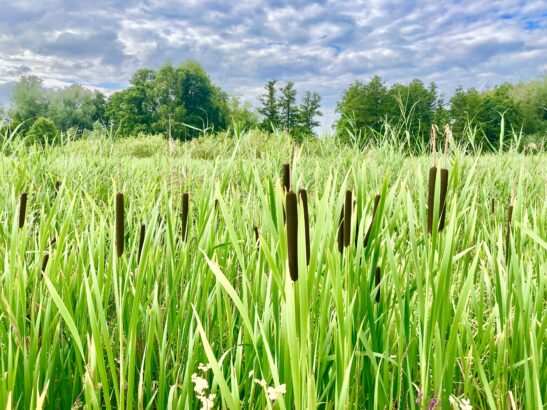
Today we’re launching the Lowland Peat Water Discovery Grant. The Discovery Grant will run until 2028, providing up to £4.5 million in funding to support local, collaborative approaches to more sustainable forms of water management within lowland peatland catchments. Read this post to find out more.