My name is Jamie and I work in the Peatland Restoration team in Defra. Part of my job involves working with Natural England on the Nature for Climate Peatland Grant Scheme, which provides funding to local partnerships to help protect and restore peatlands across England.
Since 2020, this scheme has brought more than 23,000 hectares of peatlands under restoration management. Today, I’m pleased to announce we’re extending the scheme for a further year until April 2027 – so existing projects from the North York Moors to the Somerset Levels can continue to deliver valuable work on the ground.
In addition to this, Defra will also continue to work with Forestry England to support its peatland restoration programme on the public forest estate through the Forestry England Restoration Scheme. Over the next four years, we will fund a significant restoration project in the Border Mires.
To celebrate what has been achieved so far with the schemes, in this post we’ll take a look at what some of the projects have delivered so far.
Why do our peatlands matter
England’s peatlands are our largest terrestrial carbon store. They provide a home for rare wildlife, regulate our water supply, and provide a record of the past. However, 87% of England’s peatlands are degraded, damaged and dried out, emitting approximately 8 million tonnes of carbon dioxide each year.
Funding from the government is helping to restore these environments, protect wildlife and restore the critical ability of peatlands to manage water quality and reduce the severity of flooding.
Local partnerships are funded through the Nature for Climate Peatland Grant Scheme
To date, we have funded 39 projects through the scheme, including 23 restoration projects, and 16 discovery projects focusing on opportunities for further restoration.
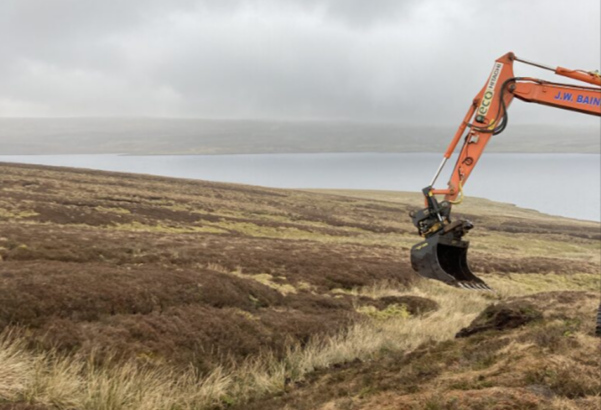
Local partnerships have used funding from restoration grants to install thousands of peat, timber and stone dams to reduce the amount of water draining out of our peat bodies. They have also planted native bog plants, such as Sphagnum moss, to help restore natural peatland ecosystems. Investment in specialised machinery and diggers has allowed these works to take place without damaging sensitive peatland sites.
Through discovery grants, partnerships have developed detailed plans for future projects, and now we’re extending our existing agreements, hoping to bring more than 4000 hectares of peatland into active restoration. Funding community engagement through discovery funding has been key; we’ve supported partners to help communicate a richer understanding of the vital work of peatland restoration and address wider barriers to improving these important habitats by encouraging land managers to get involved with restoration.
Project highlights that have restored peatlands or unlocked barriers to restoration across the country
In Norfolk, the Broads Peat Partnershiphas raised water tables at Buttle Marsh to restore the land to its natural fenland state through the innovative use of a wind pump. Insights from this project have informed the creation of Defra’s new lowland peat schemes. For more information , read our blog post.
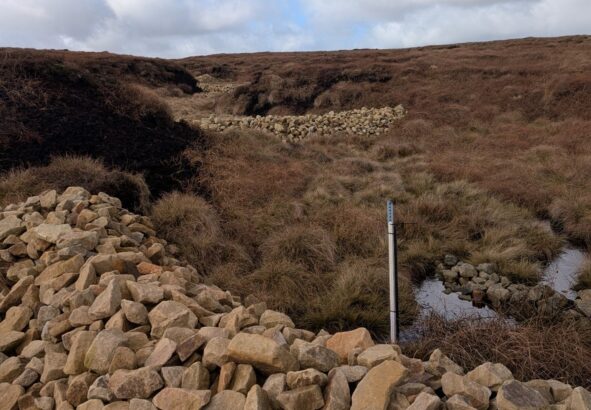
At Holcombe Moor, Lancashire, a National Trust led project has rewet deep peatland by creating bunds (embankments to raise water levels) and reintroducing peatland vegetation. Partners have noticed an increase in endangered Dunlin breeding birds after the work had taken place, and restored peatlands should reduce flood event severity for downstream communities.
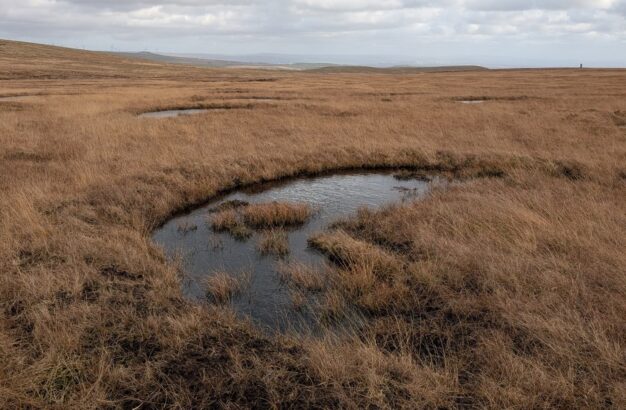
In Devon and Cornwall, the South West Peat Partnership will continue its work to restore degraded peatland across West Penwith, Bodmin Moor, Dartmoor and Exmoor while trialling novel techniques such as trench bunding to more effectively raise water levels.
The Peak District National Parks Authority will be delivering a programme of engagement activities for locals and visitors to increase awareness of the importance of the peat and the need to protect them from wildfires.
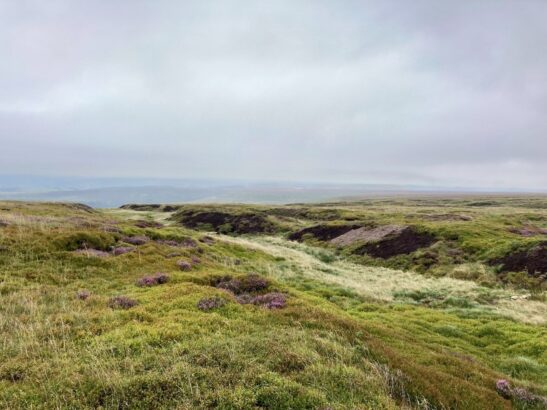
These projects demonstrate the value of the scheme in bringing together local delivery partners to deliver restoration in a variety of different localities, each with their own unique challenges and benefits for nature.
Working with Forestry England on Peatlands
Within the nation's forests, Forestry England manage extensive areas of peatland habitat in need of further action.
For the past year, Defra have supported Forestry England to deliver restoration in the Border Mires across Northumberland and Cumbria through the Forestry England Restoration Scheme. As well as supporting many specialist and rare plants and animals, the peatlands here are particularly important for carbon storage because of the depth of the peat, with some bogs containing over ten metres of it.
I’m pleased to announce that Defra will continue to work with Forestry England to support its peatland restoration programme in the nation's forests. Over the next four years, Defra will fund a significant restoration project across Kielder Forest, with a focus on the Border Mires.
Forestry England's peatland restoration programme has delivered excellent results for many years, with over half of its Upland Bog Sites of Special Scientific Interest now in favourable condition. The actions taken over the last year, and over the next four years, will further restoration efforts on and beyond these special sites.
Looking ahead to the future for peatlands
Both the Nature for Climate Peatland Grant Scheme and Forestry England Restoration Scheme will allow the Government to continue progress towards its peatland targets set in the 2025 Environmental Improvement Plan, to deliver 40,000 hectares of peatland restoration by 2030, and 280,000 hectares of restoration by 2050.
The extended Nature for Climate Peatland Grant Scheme funding will be available to existing grant holders who responded to Natural England’s Expression of Interest form with restoration proposals in January. Looking forward, Defra will be launching a new grant scheme for peatland restoration skills and equipment in June, open to anyone in the sector. We will publish more details about this scheme in a future blog post.
Leave a comment