Don't spark disaster: changing public behaviour as UK wildfire risk grows
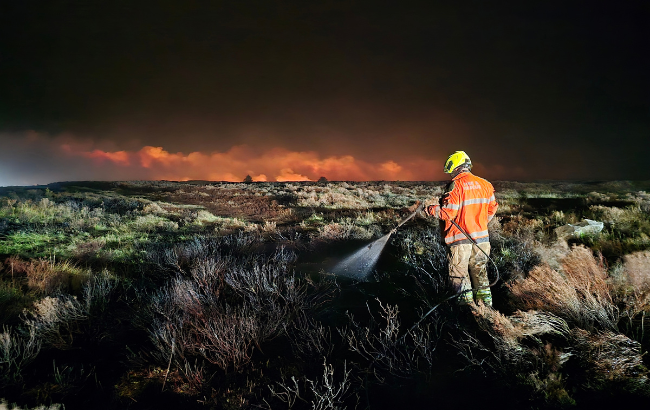
Nina tells us about the impact of wildfires on the North York Moors, and how her team are adapting their public communications to meet this evolving risk.
Nina tells us about the impact of wildfires on the North York Moors, and how her team are adapting their public communications to meet this evolving risk.
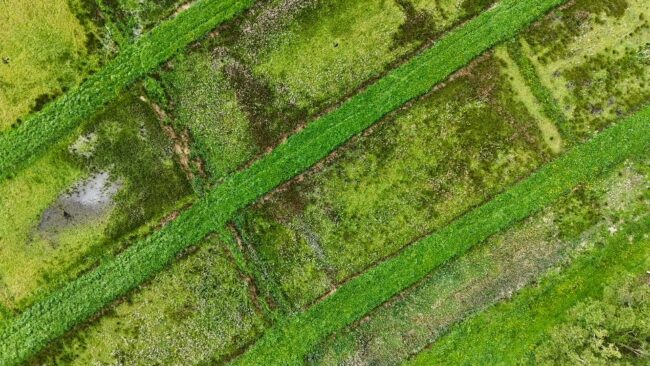
My name is Anika Dowling, and I am a policy advisor in Defra’s Peat team. In this blog I’ll set out what each new scheme offers and how you can apply. In the Environmental Improvement Plan, we announced our new Peatland Programme for 2026 to 2030. This month, we’ve launched …
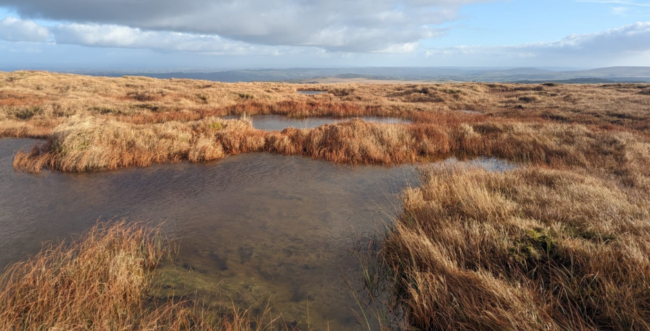
Peatlands have a vital role to play in helping us meet our net zero targets, but to restore them at the scale we need, we first need to grow the sector that does that work. That's what today's announcement is designed to do.
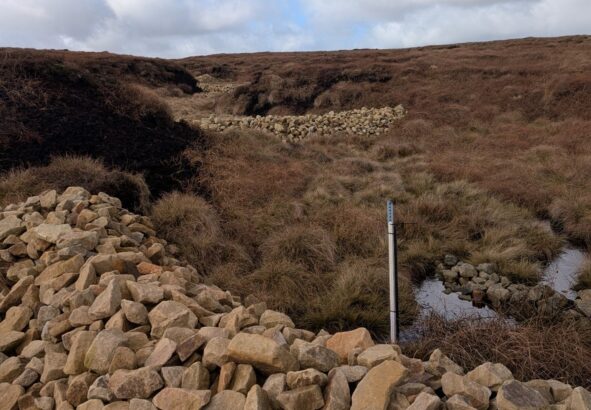
Today, I’m pleased to announce we’re extending the scheme for a further year until April 2027 – so existing projects from the North York Moors to the Somerset Levels can continue to deliver valuable work on the ground. Read this post to delve in further.
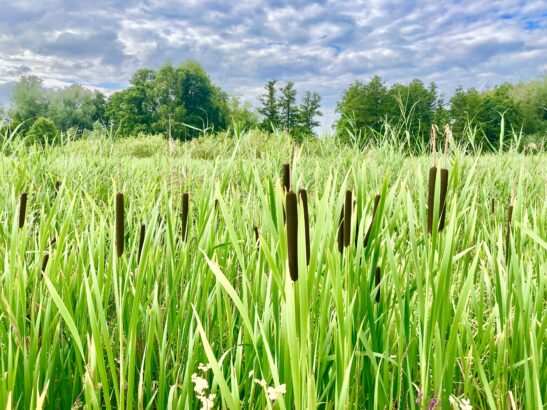
Today we’re launching the Lowland Peat Water Discovery Grant. The Discovery Grant will run until 2028, providing up to £4.5 million in funding to support local, collaborative approaches to more sustainable forms of water management within lowland peatland catchments. Read this post to find out more.
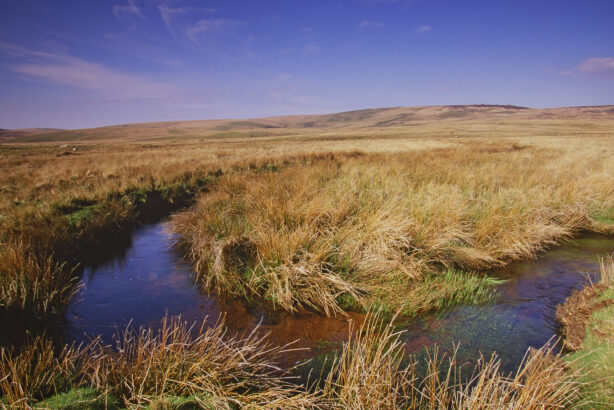
Peatland partnerships are transforming degrading landscapes into healthy, vibrant peatlands across England. In this post, Sam Joyce, from the Peatland Restoration team at Defra, shares more about the collaborative work he's seen taking place.
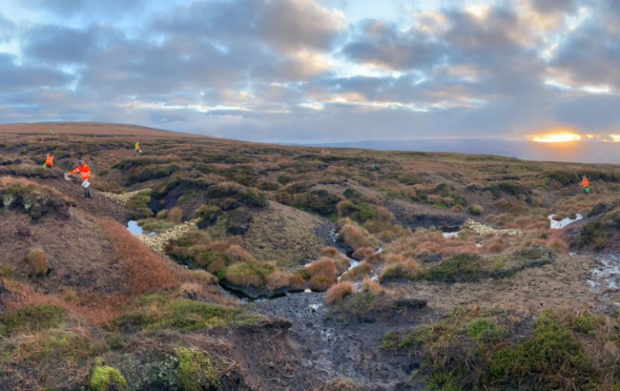
In this post, Jonny Bainbridge, owner of an agri-environmental contracting business, shares a day in the life of a peatland contractor.
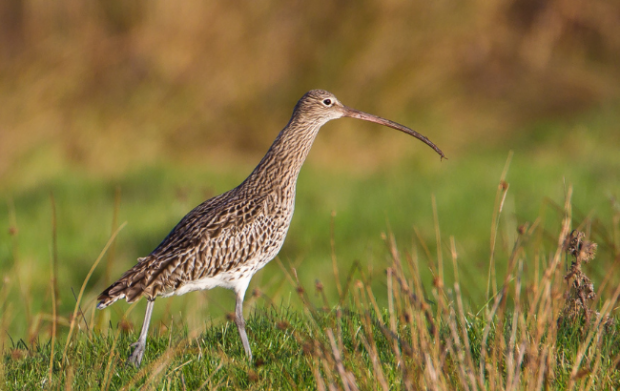
England's peatlands are our largest terrestrial carbon store and a haven for rare wildlife. Here's how projects across the country are working to restore them.
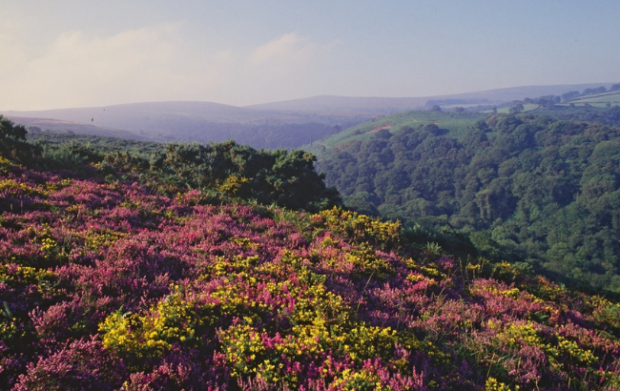
In this post, Catherine Brabner-Evans gives an introduction to Protected Landscapes, as well as an insight into the action Defra is taking to meet targets within these landscapes to halt and reverse the decline in nature.
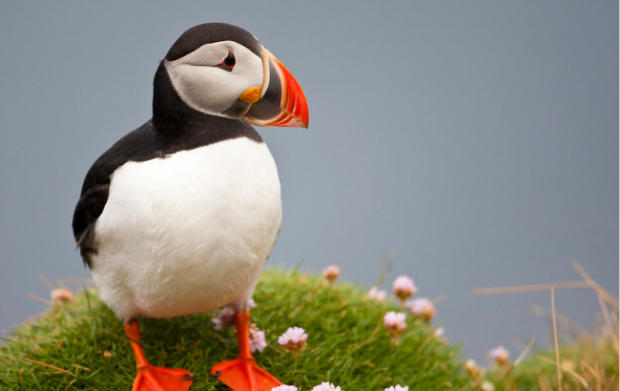
Today, one year exactly since the publication of the Environmental Improvement Plan (EIP), we are taking further actions to halt and reverse the decline of nature in our country. Firstly, to protect an important forage fish for a range of …